

3 companies driving fintech solutions with asset tokenization
Where to start if you want to tokenize everything.
Real estate tokenization
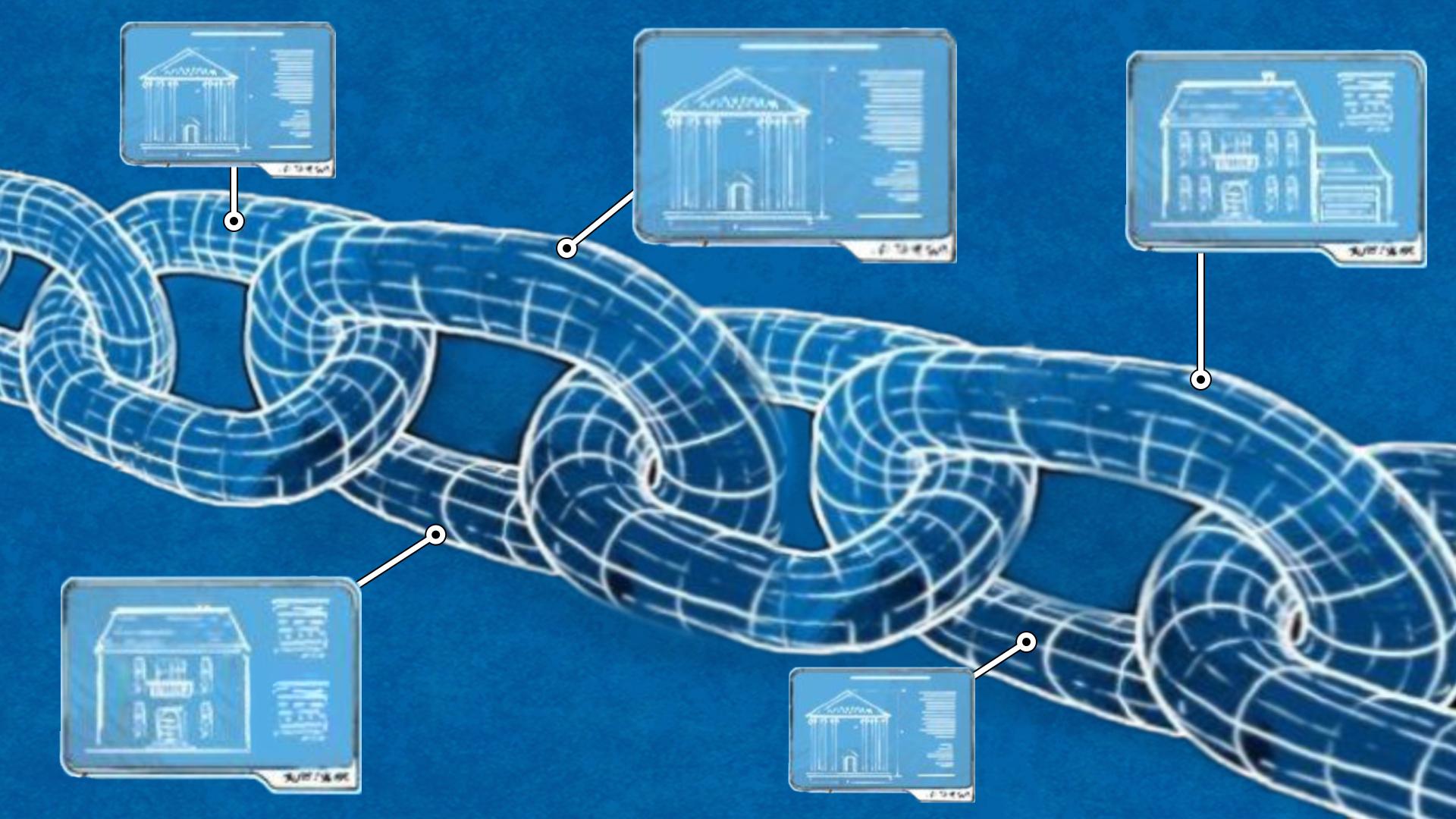
One of the promising uses for tokenization is fractionalizing ownership of real estate. By tokenizing smaller shares, real estate investments become more accessible to the average retail investor and more liquid for the seller.
Propy
(logo)
Website: propy.com
Market cap: $152,191,423
Propy aims to simplify the usually complicated process of selling and purchasing real estate. By moving the entire process into a digital format, old and slow ways of completing paperwork are eliminated. As an international marketplace for tokenized real estate transactions, it can bring buyers and sellers into a seamless process that’s easily completed and managed on one platform.
Decentralized identity
Taking back control of personal data by tokenizing it and protecting it on the blockchain is another developing area in fintech. Your data is absolutely an asset that, currently, other people are profiting from more than you. Tokenization aims to change that.
Ontology
(logo)
Website: ont.io
Market cap: $415,366,206
Ontology is a blockchain that provides a home for digital identity and data protocols. It aims to increase scalability and interoperability and has close to 100 dApps running on its mainnet. Two of its flagship features are ONT ID, which is a decentralized identity framework, and Distributed Data Exchange Framework (DDXF), a way to exchange data in a decentralized way. Ontology has the highest market cap of decentralized identity platforms.
Security tokens
Fractional ownership of any kind of asset can only be achieved with security tokens. And, considering the US government takes monopolizing investment profits very seriously, the SEC leaves no regulation stone unturned. But security tokens are still possible.
Polymath
(logo)
Website: polymath.network
Market cap: $367,180,753
Polymath is a platform that allows users to create, issue, and manage security tokens for just about anything. It also works to ensure that tokens are compliant with securities laws to "know-your-customer" (KYC)-compliant investors via smart contracts. POLY tokens are ERC-20 tokens, but if you want to create your own security token, it will have to be an ST-20 token. Because Polymath’s security tokens are regulated, it makes them more attractive to institutional investors.
Other fintech solutions for asset tokenization
There are a lot more companies that are pioneering the way for tokenized real estate, decentralized identity, and security tokenization. Plus, there are tons of other ways that tokenization can change the future landscape of fintech. This is just the beginning of what can be done with blockchain technology.